Indoor Air Quality Services
Indoor Air Quality ServicesCleaner, Healthier Air for Homes in Granite Bay & the Sacramento Valley
According to the EPA, indoor air can be more polluted than the air outside, even in quiet suburban neighborhoods. As homes become more tightly sealed and families spend more time indoors, dust, allergens, chemical vapors, and airborne contaminants can circulate continuously through HVAC systems.
Granite Bay Heating & Air provides professional indoor air quality solutions designed to improve comfort, reduce airborne irritants, and create a healthier living environment for your family.
Health & Comfort BenefitsThe Advantages of Cleaner Indoor Air
Better Sleep & Comfort
Reduced respiratory irritation and improved airflow can support more restful sleep and overall comfort.
Fewer Allergens
Proper filtration helps reduce dust, mold spores, pet dander, and other airborne irritants.
Cleaner, Fresher Air
Improved ventilation and filtration eliminate lingering odors and airborne contaminants.
Common Air Quality ConcernsWhat Affects Indoor Air in Your Home?

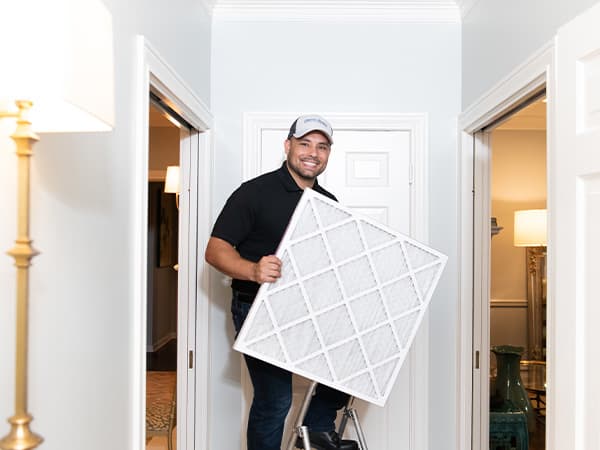
Indoor air pollution often comes from everyday sources including dust buildup, pet dander, mold growth, chemical vapors, smoke, and excess humidity. As HVAC systems circulate air throughout your home, these particles can spread and accumulate, especially when filtration or ventilation is inadequate.
Over time, poor indoor air quality can contribute to allergies, respiratory irritation, odors, and reduced overall comfort.
Frequently Asked QuestionsIndoor Air Quality in Granite Bay
- What are signs of poor indoor air quality?
- Frequent allergies, dust buildup, musty odors, and uneven airflow may indicate indoor air quality issues.
- Do air purifiers really work?
- Yes. Whole-home air purification systems can reduce airborne contaminants and improve overall air quality.
- What MERV filter should I use?
- Most homes perform well with a MERV 8 filter. Higher ratings may require system modifications.
- Can HVAC systems reduce allergies?
- Proper filtration, humidity control, and purification systems can significantly reduce allergens.
- How often should I change my air filter?
- Most filters should be replaced every 1–3 months depending on usage and household conditions.
Improving Your Indoor AirSimple Steps & Professional Solutions
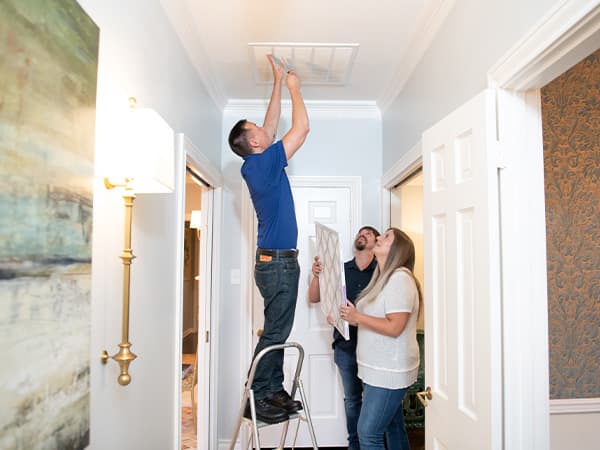
Maintaining good indoor air quality starts with proper HVAC filtration and regular HVAC system maintenance. Most residential HVAC systems perform best with a 1-inch MERV 8 filter, though higher-efficiency filtration may require system modifications to avoid airflow restrictions.
In addition to filtration, improving ventilation, controlling indoor humidity, and choosing low-VOC materials can significantly reduce airborne pollutants. In more severe cases, symptoms related to poor air quality, sometimes referred to as “Sick Building Syndrome”, may improve when ventilation and air purification are addressed.
Our team can evaluate your HVAC system and recommend air purification, filtration upgrades, humidity control, or ventilation improvements tailored to your home.